To ensure continuity of learning beyond the classroom
To promote student-centric and participatory learning
To integrate ICT tools in teaching-learning
To accommodate students facing seasonal and socio-economic constraints
Context:
The college caters to students from rural backgrounds, many of whom are engaged in seasonal agricultural activities. This creates challenges in maintaining regular classroom attendance. Therefore, there is a need for a flexible, technology-supported teaching approach that ensures inclusivity and continuity.
The Practice:
The institution adopts a blended teaching model that includes:
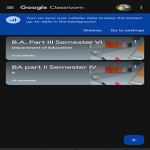
Use of Google Classroom for sharing notes, assignments, and updates
Implementation of flipped classroom techniques, where students study materials in advance and classroom time is used for discussion
Regular ICT-based lectures using smart classrooms and digital tools
Organization of guest lectures and expert sessions
Use of WhatsApp groups for academic communication, especially during periods when students are unable to attend physically
Evidence of Success:
Improved student participation and engagement
Better access to learning materials anytime and anywhere
Enhanced academic performance and understanding
Reduced learning gaps during periods of absence
Problems Encountered and Resources Required:
Limited access to smartphones or internet for some students
Need for continuous digital training for faculty and students
Requirement of reliable internet connectivity
Best Practice – II
Sustainable and Responsible Campus Practices
Objectives:
To promote environmental awareness and sustainability
To inculcate responsible behaviour among students
To develop a clean, green, and eco-friendly campus
To encourage optimal use of resources
Context:
In the present scenario of environmental challenges, educational institutions play a crucial role in shaping responsible citizens. The college emphasizes sustainable practices and environmental consciousness as part of its institutional culture.
The Practice:
The institution promotes the following initiatives:
Use of one-side printed/used paper for rough work by faculty
Encouraging students to switch off lights, fans, and electrical devices when not in use
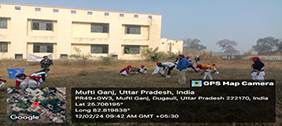
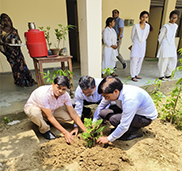
Regular student participation in gardening and plantation activities
Conduct of monthly cleanliness drives for maintaining campus hygiene
Promotion of a plastic-free campus by discouraging single-use plastics
Organization of optional extra coaching classes for general awareness and competitive preparation
Evidence of Success:
Noticeable reduction in paper wastage and electricity consumption
Improved campus cleanliness and greenery
Active student participation in environmental initiatives
Requirement of basic resources for plantation and maintenance
These best practices highlight the institution’s commitment to innovative education and sustainable development. By integrating flexible teaching methods with environmentally responsible initiatives, the college ensures holistic development and social responsibility among students.